Why Hitting a Big Red Button Makes You Review Faster
Pressing Y to approve the fortieth diff of the morning feels like nothing, and that is the problem.
Where the time actually goes
Review fatigue is not intellectual, it is motivational. The decisions are small and the feedback is nil, so attention drifts and you start approving things you have half-read. Anything that makes the act of deciding feel like an action rather than a reflex is doing real work.
How the Slam Buttons changes it
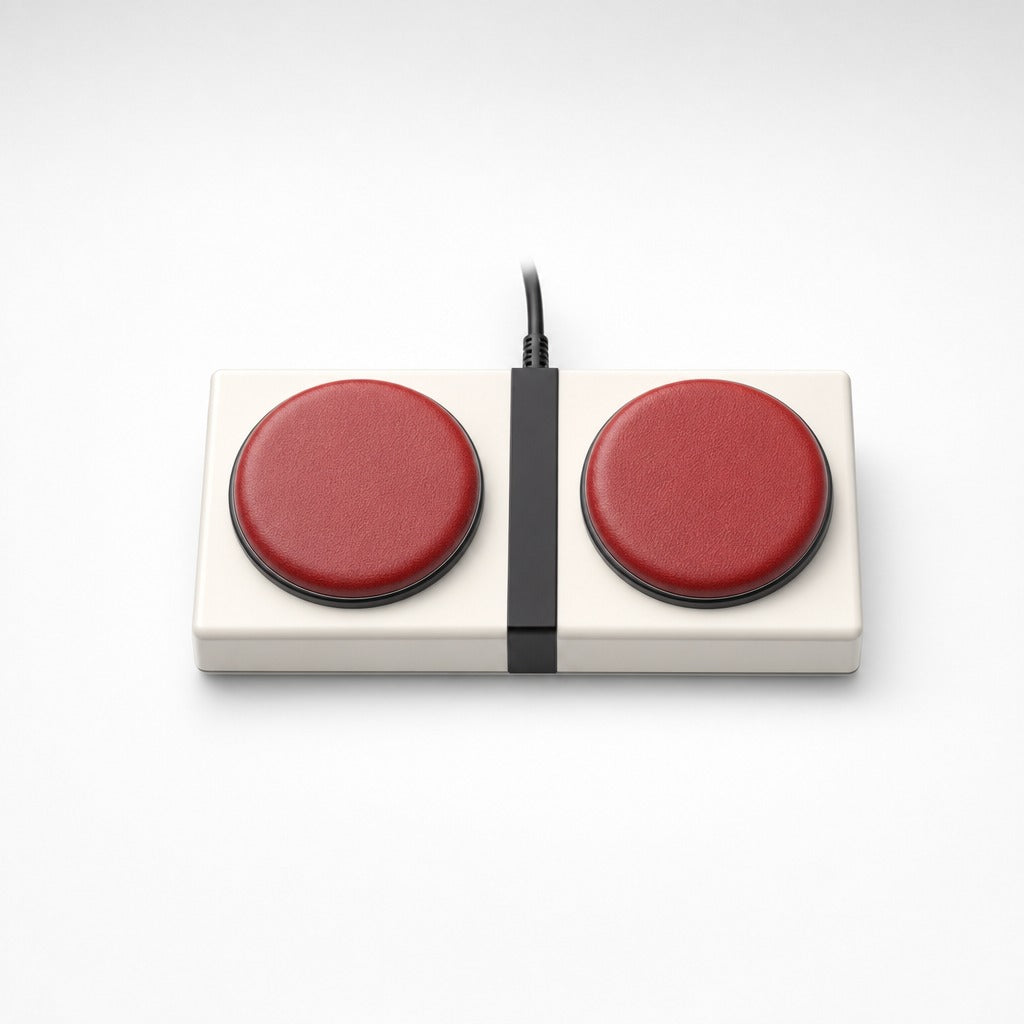
Slam Buttons are two full-size arcade buttons on one plate. Real arcade switches, so the travel is long and the bottom-out is loud and unmistakable. Mapped to accept and reject, a decision becomes a physical event.
Where it sits in a real workflow
They sit to the side of the keyboard, one hand's width away. You read the diff, and you hit the button, and because the buttons are large you hit them without looking, so your eyes never leave the code. That is the genuine ergonomic argument and it is stronger than it sounds: the reason keyboard shortcuts break your reading is that you glance down to confirm your fingers. A target the size of a bottle cap does not need confirming.
Doing the arithmetic yourself
There is no arithmetic for this one and we are not going to invent any. It is the cheapest thing in the catalogue, it makes a repetitive task feel better, and reviewers who enjoy reviewing read more carefully. That is the whole case.
Who gains most from the Slam Buttons?
Anyone who reviews a lot and has noticed their attention slipping. Also anyone who shares an office and wants their colleagues to know exactly how the review is going.
The first twenty minutes
Define two macros. There is nothing else to configure and nothing to charge.
Related
Slam Buttons, $29, full specification, frequently asked questions and what to know before buying. Or look at the Pedal Three, which solves a neighbouring problem.
futuredevice sells AI hardware for everyday life. Type less. Ship more.